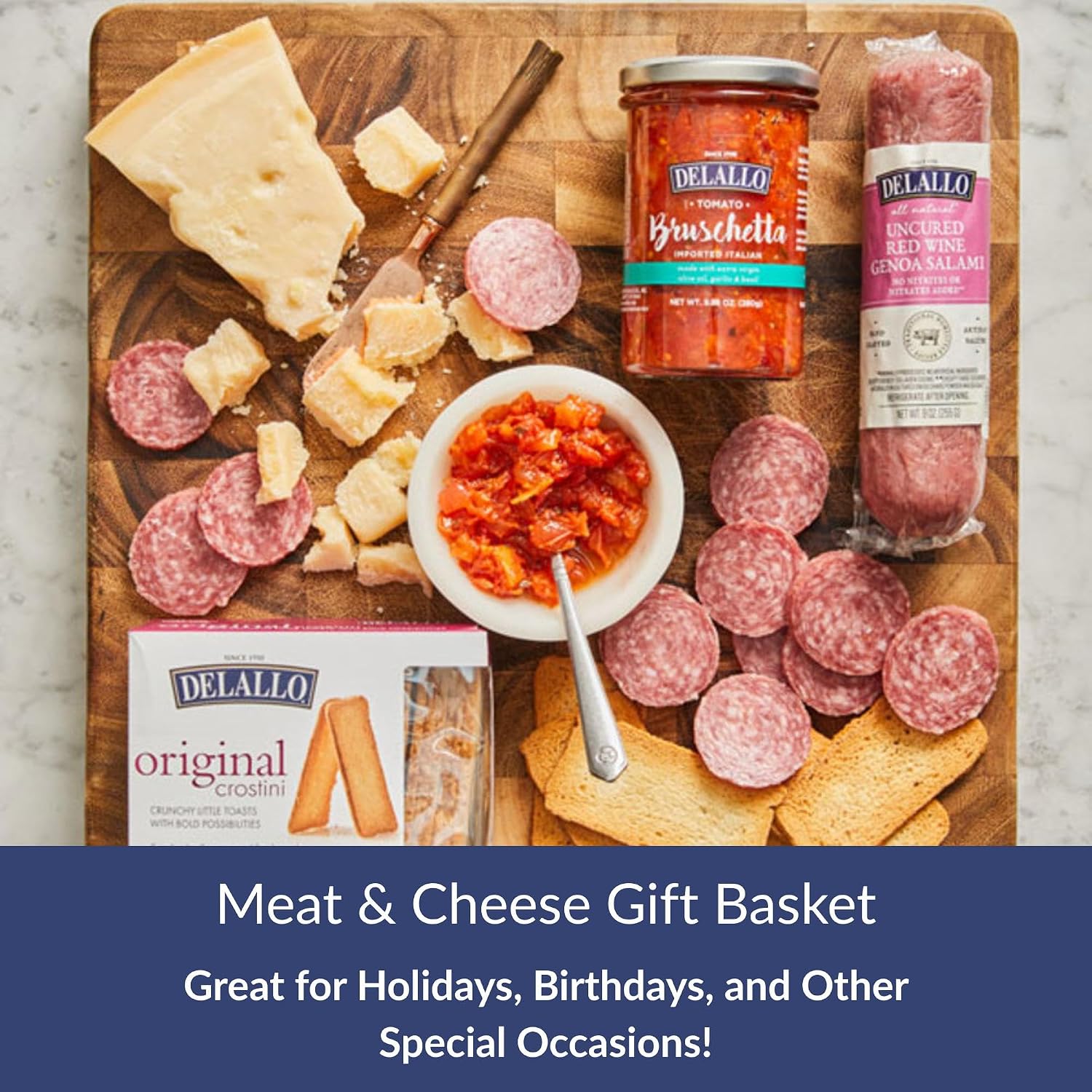
The Italian Charcuterie Basket Buyer’s Guide: Provenance, Producers, and What’s Actually Inside
Italian charcuterie — the broad category of cured and preserved meats that Italians call salumi — is one of the most imitated food traditions in the world and one of the most misrepresented in gift baskets. The term covers everything from paper-thin prosciutto (dry-cured ham, sliced translucently and aged for at least twelve months) to thick-cut sopressata (a coarsely ground, spiced sausage pressed into a compact shape during curing), plus dozens of regional products in between. When a basket is labeled “Italian charcuterie,” that phrase can mean a vacuum-sealed log of generic hard salami assembled in a New Jersey warehouse, or it can mean a hand-selected trio of DOP-certified meats — DOP stands for Denominazione di Origine Protetta, a European certification guaranteeing a product was made in a specific region using traditional methods — sourced from producers with documented aging programs. Both ship in similar packaging. The price difference between them can be $40 or $200. This guide explains exactly what separates those two baskets, how to read a product description before you buy, and which decision rule to apply depending on your recipient, your timeline, and your budget.
Why Provenance Actually Changes What’s in the Box
Provenance in Italian charcuterie is not marketing language — it is a literal quality signal baked into the regulatory structure of the European Union and honored by serious American importers.
Saveur’s deep-dive on Italian cured meats notes that the country’s most prized products carry either DOP status or IGP (Indicazione Geografica Protetta, a slightly broader geographic protection), designations enforced by independent consortia that inspect production at every stage. Prosciutto di Parma, for example, must come from pigs raised in specific northern Italian regions, slaughtered at a minimum weight, cured with nothing but sea salt, and aged for a minimum of twelve months in the hills around Parma — where the Ghibli wind off the Apennines is considered a functional ingredient. That last detail is not romantic storytelling; it is a production specification. As Serious Eats’ analysis of Parma versus San Daniele prosciutto documents, pigs for Prosciutto di San Daniele must be born, raised, and processed entirely in Friuli-Venezia Giulia, and each leg is massaged in a specific manner before hanging — a distinction that produces a measurably different texture and flavor profile from its Parma counterpart.
The practical implication for basket buyers: a product labeled simply “prosciutto” or “Italian-style prosciutto” is not required to meet any of those production standards. It may be a perfectly acceptable product, but it is a categorically different item. You are comparing a certified designation to a style description, and the basket price should reflect that difference — and often doesn’t.
What to look for in a product description before buying:
- The full DOP or IGP designation spelled out (not just “imported from Italy”)
- The producer name, not just the importer or distributor
- Aging duration in months (for prosciutto, under 18 months is entry-level; 24+ months is where complexity compounds)
- A note on the breed of pig, particularly for nduja (the spreadable Calabrian salumi) and culatello (the prized cut from the pig’s haunch, often aged 12–36 months)
Mapping the Price Tiers: What $45, $95, and $250 Actually Buy
The single most useful analytical move in this category is translating a basket’s price into a per-unit cost for the charcuterie itself — stripping out the packaging, the filler crackers, and the decorative elements that contribute weight without adding culinary value.
By the numbers (2026 market, retail):
- Entry tier ($35–$65): Typically 3–5 oz of cured meat per basket; often 1 variety; producer rarely named
- Mid-range ($75–$150): 8–14 oz across 2–3 varieties; DOP designation present roughly 40% of the time
- Premium ($175–$350): 16–28 oz across 3–5 varieties; DOP or named producer standard; aging specs listed
- White-glove ($350–$500+): Custom-weight cuts; single-source producers; certificates of origin on request
At the entry tier — Harry & David’s Charcuterie Favorites Collection and Hickory Farms’ Italian-themed samplers fall here — you are buying reliable crowd-pleasers with broad palatability and zero shipping anxiety. Bon Appétit’s overview of Italian salumi is candid that mass-market salami, whatever its origin claim, is calibrated for wide acceptance rather than regional authenticity. For a casual office party or a first-time recipient, this is genuinely fine. The mistake is paying entry-tier prices for mid-range occasions, or mid-range prices while receiving entry-tier product because you didn’t read the spec breakdown.
At the mid-range tier, iGourmet and Goldbelly are the two platforms most consistently praised by reviewers for transparency. Eater’s roundup of the best places to order charcuterie online specifically calls out iGourmet’s producer-level sourcing notes and Goldbelly’s policy of shipping directly from the producing vendor rather than rerouting through a central fulfillment warehouse — a structural difference that matters for freshness and cold-chain integrity. At this level you are likely encountering genuine DOP prosciutto, a quality coppa (dry-cured pork neck, rolled and aged), and possibly a small-format nduja or fennel-forward finocchiona. The edible-to-decorative ratio improves materially; look for baskets where at least 60% of the listed weight is charcuterie, cheese, or substantive accompaniments.
At the premium and white-glove tiers, the meaningful variables shift from product selection to sourcing chain and customization. Murray’s Cheese (which operates a white-glove corporate program with documented minimum orders and branding options) builds Italian charcuterie collections sourced from importers like Eataly’s own distribution arm and specialty importer Tempesta Artisan Salumi, a Chicago producer whose ‘nduja and lardo have received consistent recognition from Food & Wine’s editors. Zingerman’s hand-packed Italian selections lean toward producers with whom they have multi-year direct relationships, often including printed provenance cards that identify the farm, the region, and the aging facility. For corporate gifting at the 25–100 basket scale, this documentation is not merely aesthetic — procurement managers at regulated industries (finance, healthcare) sometimes need to verify that a gift basket meets an internal gifting policy threshold and does not include items of unclear origin.
The Tradeoffs No Product Page Tells You
Domestic vs. imported: DOP-certified Italian meats must be produced in Italy. But excellent Italian-style salumi is also produced domestically, and in some cases the domestic product is genuinely competitive on flavor while offering a more reliable cold chain. Tempesta’s ‘nduja, produced in the U.S. from Calabrian-inspired methods, ships with greater logistical flexibility than a fragile import. The tradeoff: you lose the legal DOP designation and the terroir story, but you may gain consistency and arrive with a product that isn’t compromised by a two-day customs hold.
Pre-sliced vs. whole: Sliced prosciutto in a retail-packaged tray is convenient and familiar. A whole or half leg — rare in gift baskets below $400 — offers superior flavor longevity and a dramatically better presentation. If a basket at the $200 mark claims to contain prosciutto di Parma and doesn’t specify whether it’s pre-sliced in a sealed tray or cut-to-order, assume the former and price accordingly.
Aging claims: A basket description that says “aged prosciutto” without a month count is marketing, not specification. Food & Wine’s explainer on DOP designations notes that Prosciutto di Parma minimum aging is 12 months, but the Parma Consortium’s highest classification — stamped with the Ducal Crown — requires 18+ months and distinguishes itself on the retail shelf with a different label code. The aging duration is the single variable most correlated with flavor complexity in dry-cured hams; it is always worth the effort to find the number.
Shipping window: Charcuterie is shelf-stable at room temperature for a limited period once opened, but shipping in peak summer (above 85°F transit conditions) or during holiday surges introduces real risk. Eater’s charcuterie sourcing guide flags that platforms routing through third-party logistics hubs — rather than direct-from-producer fulfillment — have meaningfully higher rates of arrival temperature excursions. For holiday orders above $150, confirm the platform’s packaging method: gel pack with insulated liner is the floor; dry ice or a two-day guaranteed cold ship is preferred for premium selections.
Decision Rules: If X, Then Y
You’ve now got the framework. Here’s how to collapse it into a purchase decision based on your actual situation:
If you are sourcing 25+ corporate baskets at $200–$400 per unit: Go directly to a white-glove program — Murray’s Cheese custom builds, Zingerman’s corporate, or a regional affineur with a documented corporate program. The per-unit premium over a retail basket platform is typically 15–25%, and what you are buying with that margin is: a single point of contact, arrival-date guarantees, branding options, and the documentation that a procurement director needs for a gift register. The math nearly always favors this route when you factor in the cost of a single botched shipment at scale.
If you are buying 1–5 baskets for serious food people at $100–$175: iGourmet or a Goldbelly vendor with a named Italian producer is the right tier. Prioritize baskets that list a DOP certification and at least one item beyond prosciutto — a good basket at this level should include coppa or a regional salumi that the recipient hasn’t encountered. Avoid baskets where crackers or nuts account for more than a third of the listed weight.
If you are buying a first-time or casual gift at $40–$65: Harry & David or Hickory Farms are legitimate options and you should not feel obligated to upgrade. The honest assessment is that entry-tier Italian charcuterie baskets are reliable, well-packaged, and broadly enjoyable. The upgrade path exists if the recipient is a food professional, a frequent traveler to Italy, or someone who has specifically mentioned interest in cured meats — in those cases, a $25–$40 bump to a mid-tier platform makes a meaningful difference. Otherwise, spend confidently and move on.
If provenance documentation matters for your use case (dietary verification, corporate gifting policy, or a recipient with strong feelings about DOP authenticity): Only commit to a basket where the producer name and certification are listed explicitly in the product description — not inferred from the basket name. If the page says “Italian-style” anywhere in the copy, that is your signal to keep looking.
The Italian charcuterie category rewards specificity at every price point. The buyers who get the most from it are the ones who spend five minutes reading the actual product weight breakdown and asking one question the marketing copy almost never answers: Exactly which producer made this, and for how long did it age? That question — asked before checkout, not after delivery — is the entire job.